ICEMELT: PFAS research in Antarctic ecosystems

Did you know there is a major pollution problem in Antarctica?

We analyze the presence, circulation and effects of forever chemicals in the Southern Ocean to understand their impact and provide scientific evidence for ecosystem protection.

Learn about the project

Research areas

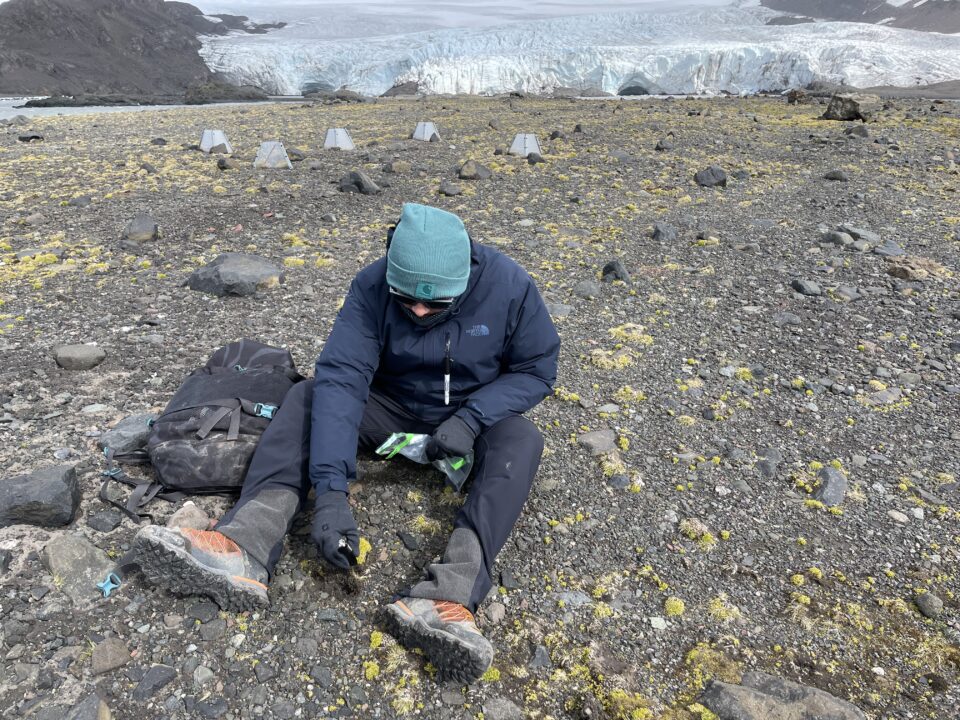
Environmental occurrence

Discover the presence and dynamics of PFAS in the Antarctic environment.
Learn more

Ecotoxicology

Explore their effects on microorganisms and ecosystem functioning.
Learn more

Trophic transfer

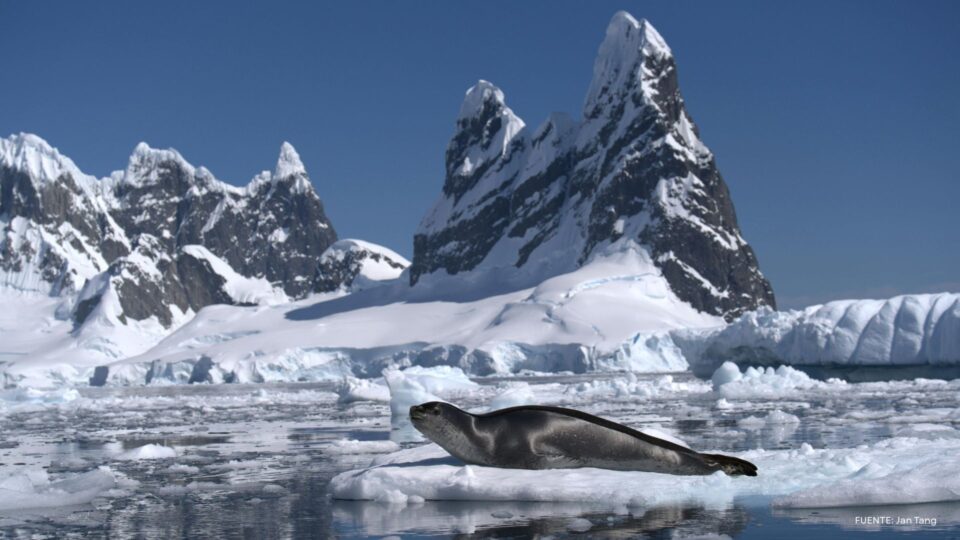
Understand their accumulation within the Antarctic marine food web and its implications.
Learn more

PFAS research in Antarctic ecosystems

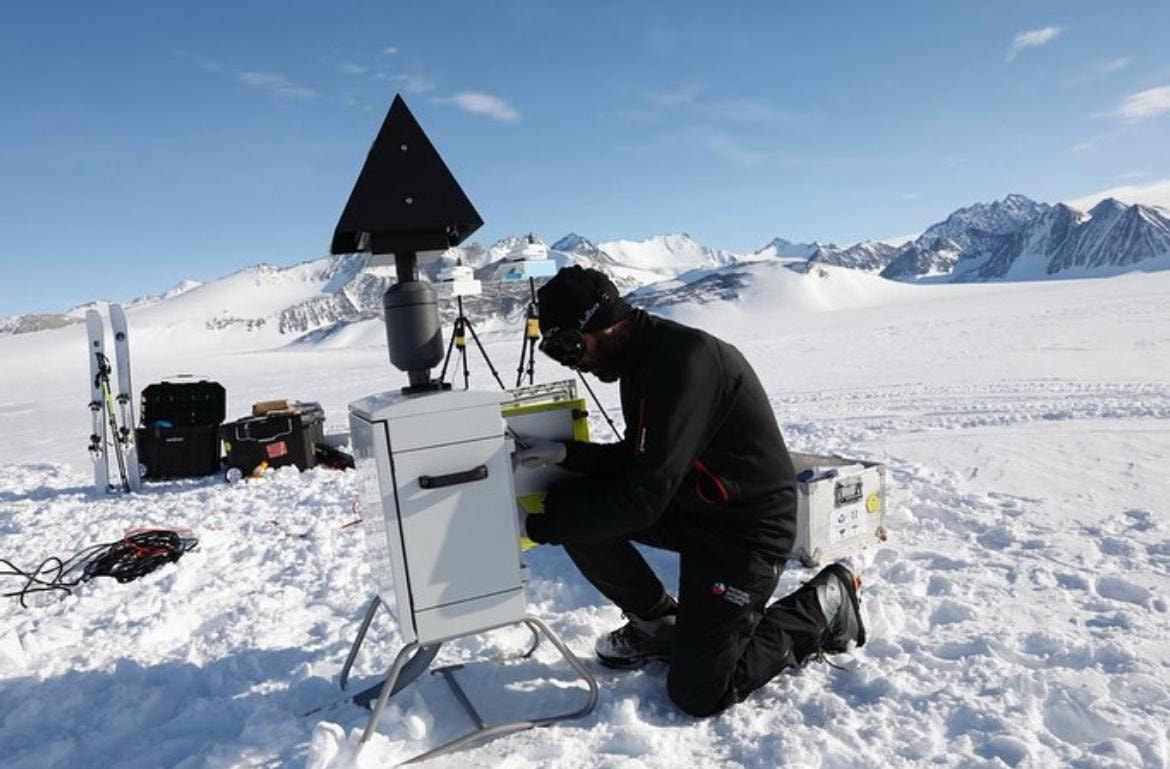
We investigate how global pollution reaches Antarctica and the impacts it generates on coastal ecosystems and trophic networks.
Explore the issue
© Felipe Trueba

Historical evolution of forever chemicals

Discovery of PTFE, known as Teflon

1938
Roy J. Plunkett, a DuPont chemist, accidentally discovered polytetrafluoroethylene (PTFE). This finding marked the beginning of perfluorinated compound chemistry.

Massive global industrial expansion

1950 – 1960
Companies such as 3M and DuPont began commercial production of PFOS and PFOA, which were incorporated into non-stick coatings, firefighting foams, textiles, paper and consumer products.

3M announces voluntary PFOS phase-out

2000
3M, the world’s leading PFOS producer, announced the voluntary phase-out of PFOS chemistry used in its products. The withdrawal was largely completed by 2002.

First global evidence of PFOS contamination

2001
The first detection of PFOS in wildlife on a global scale was published in a scientific journal, including bald eagles, polar bears, albatrosses and seals.

First detection in Antarctic biota

2006
PFOS and PFOA were reported in albatrosses, elephant seals, penguins and skuas from the Southern Ocean and Antarctic continent.

PFAS in Antarctic environmental matrices

2012
PFAS were detected in snow, lake water, runoff and coastal seawater in Fildes Bay (King George Island), confirming atmospheric deposition as a major pathway of entry.