
ICEMELT Project
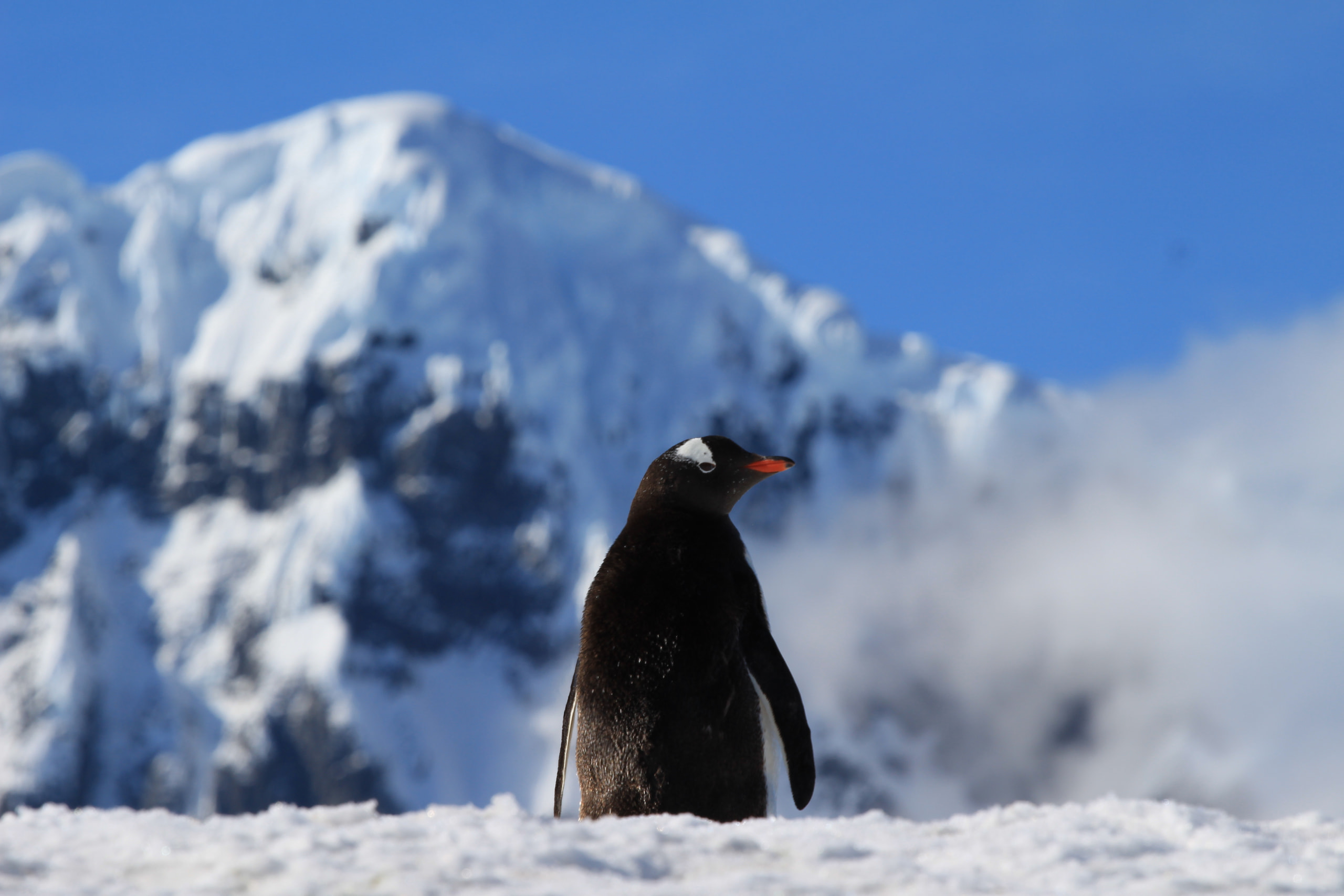
PFAS research in Antarctica
ICEMELT is a scientific research project funded by the National Agency for Research and Development (ANID) of the Ministry of Science, Technology, Knowledge and Innovation of Chile (MinCiencia) through its “Research Rings in Specific Thematic Areas” program.
We study global pollution from a territorial perspective, based on a key premise: contaminants do not recognize political or geographical boundaries. They are invisible travelers moving through oceans, the atmosphere and food webs, connecting remote ecosystems such as Antarctica with human activities occurring across the planet.
Purpose
- Contribute to environmental monitoring and risk assessment
- Support the development of evidence-based public policies
- Strengthen national and international scientific collaboration
- Train advanced human capital with a focus on excellence and equity
- Position Chile as a leader in Antarctic science
ICEMELT seeks to understand how emerging contaminants circulate, transform and affect Antarctic ecosystems, one of the most fragile and sensitive environments on Earth.
Study areas
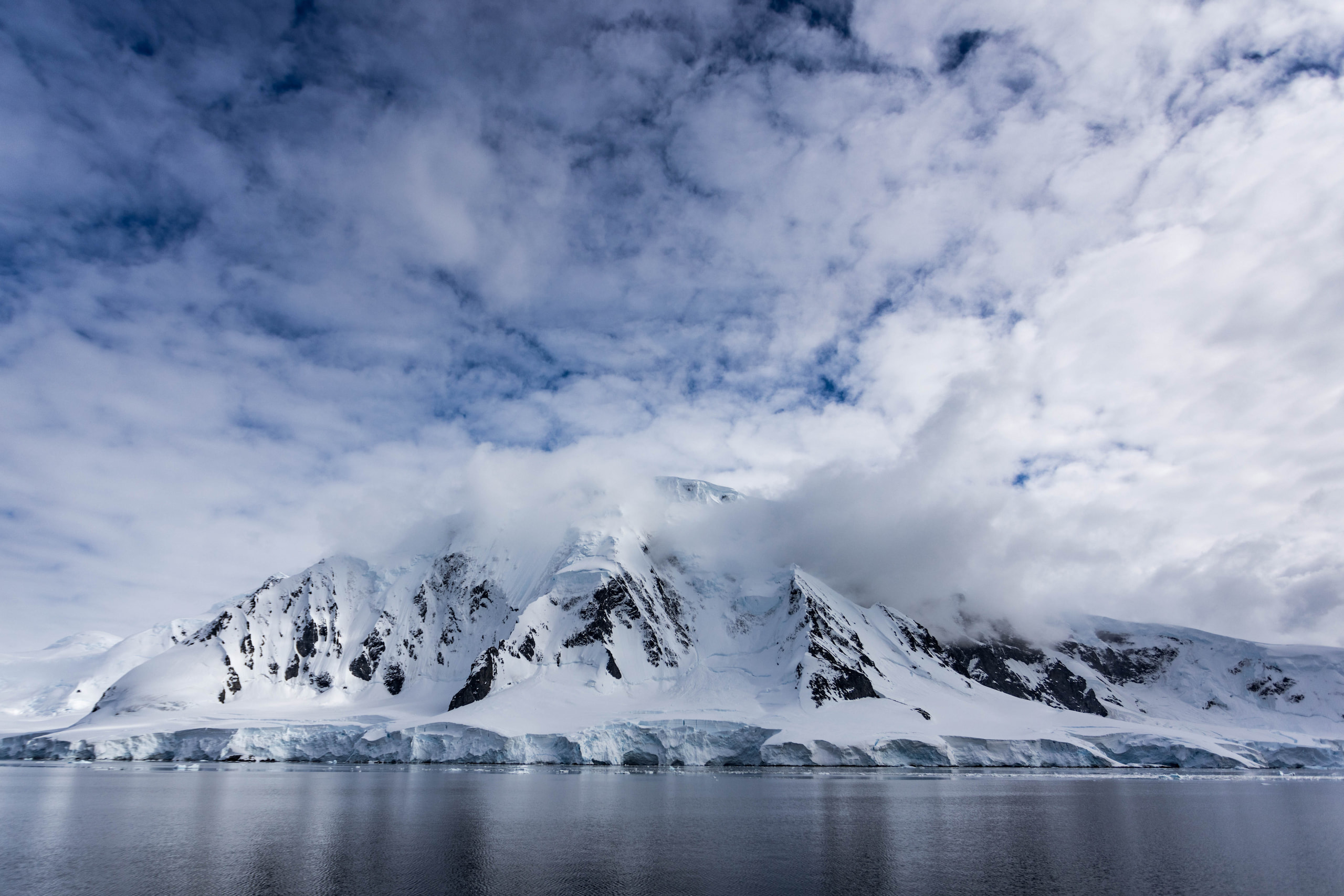
ICEMELT is carried out in Antarctica, specifically within coastal ecosystems of the northern Antarctic Peninsula and the South Shetland Islands.
Fieldwork is concentrated in key areas such as:
- Maxwell Bay, near Collins Glacier on King George Island
- Admiralty Bay on King George Island
- South Bay on Livingston Island
These areas share a fundamental characteristic: they are glacier-influenced coastal zones where melting ice releases freshwater, sediments and contaminants into the marine system. They are highly sensitive to climate change, recognized as biodiversity and scientific activity hotspots, and provide the opportunity to observe in real time how contaminants move, transform and enter the food web.