
The issue

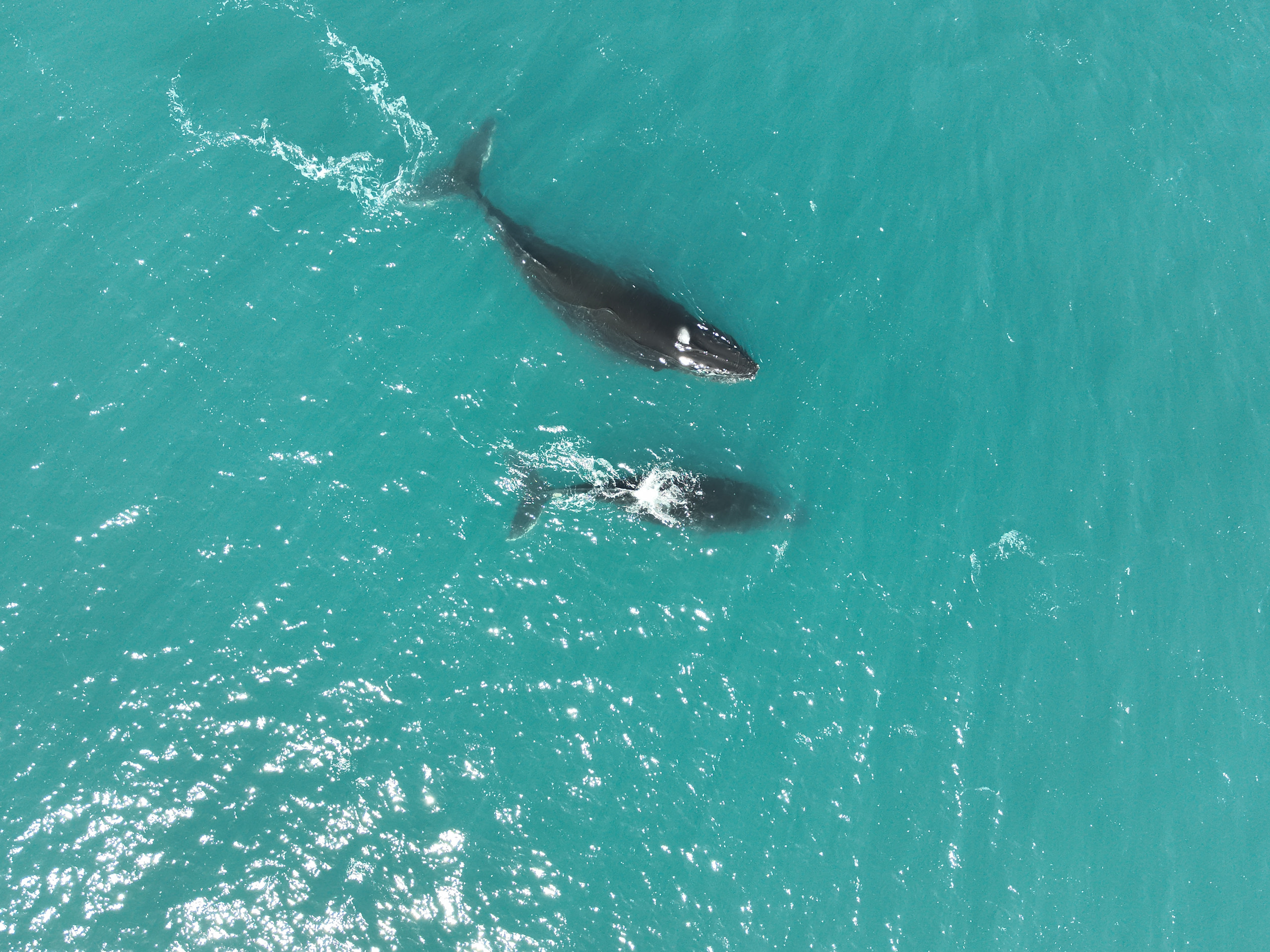
The presence of PFAS in Antarctica demonstrates that chemical pollution is a global phenomenon capable of affecting even the most remote ecosystems.
© Gustavo Chiang

Invisible, persistent and global pollution

PFAS are a group of thousands of synthetic chemical compounds widely used in industrial and consumer products because of their ability to repel water, grease and dirt. Due to their high chemical stability, these compounds do not easily degrade in the environment, which is why they are known as “forever chemicals.”

Although they are mainly produced in industrialized regions, PFAS can travel long distances through the atmosphere and oceans. As a result, they have been detected even in extremely remote places such as Antarctica, a territory historically considered one of the most pristine ecosystems on the planet.

In Antarctic ecosystems, these contaminants can be found in snow, ice, seawater, sediments and marine organisms, and they can bioaccumulate throughout food webs. This means they can pass from one organism to another — for example, from plankton to fish, birds or marine mammals — increasing their concentration across the trophic network.

Historical evolution of forever chemicals

Discovery of PTFE, known as Teflon

1938
Roy J. Plunkett, a DuPont chemist, accidentally discovered polytetrafluoroethylene (PTFE). This finding marked the beginning of perfluorinated compound chemistry.

Massive global industrial expansion

1950 – 1960
Companies such as 3M and DuPont began commercial production of PFOS and PFOA, which were incorporated into non-stick coatings, firefighting foams, textiles, paper and consumer products.

3M announces voluntary PFOS phase-out

2000
3M, the world’s leading PFOS producer, announced the voluntary phase-out of PFOS chemistry used in its products. The withdrawal was largely completed by 2002.

First global evidence of PFOS contamination

2001
The first detection of PFOS in wildlife on a global scale was published in a scientific journal, including bald eagles, polar bears, albatrosses and seals.

First detection in Antarctic biota

2006
PFOS and PFOA were reported in albatrosses, elephant seals, penguins and skuas from the Southern Ocean and Antarctic continent.

PFAS in Antarctic environmental matrices

2012
PFAS were detected in snow, lake water, runoff and coastal seawater in Fildes Bay (King George Island), confirming atmospheric deposition as a major pathway of entry.